
Day 1
8/05/2015 May Friday 8 1 Depart New Zealand
9/05/2015 Saturday 9 2 Arrive 13:30 Paris – Grand Hotel Dore
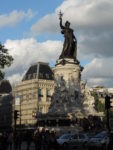
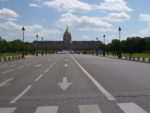
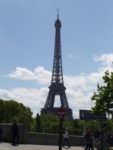
Welcome to Paris – one of the world’s most beautiful cities and the capital of France. A city of world-class restaurants, art galleries, shops and natural masterpieces, beautiful parks and gardens. Visit the world famous Louvre Museum to see the Mona Lisa, and then the amazing Musee d’Orsay. Wander through the narrow lanes of Bohemian Montmartre, the artists’ community where you can watch them sketch as you sit at one of the many outdoor cafes. Take a romantic boat cruise on the River Seine. See the Arc de Triumph, one of Paris’ principal focal points and the Place de la Concorde, the largest square in France. The gothic Notre-Dame is the most famous of all cathedrals and is located in the heart of Paris on a small island, the Ile de la Cite.

Day 2
On Separate Page
Day 3
On Separate Page
Day 4
On separate page
Day 5
12/05/2015 Tuesday 12 5 Pickup Rental Car in evening
Day 6 Paris to Strasbourg – Des Prince
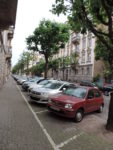
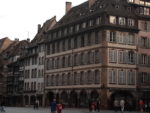
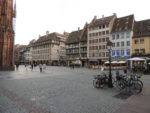
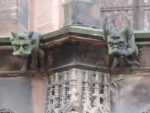
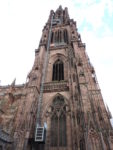
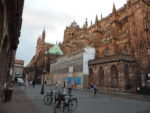
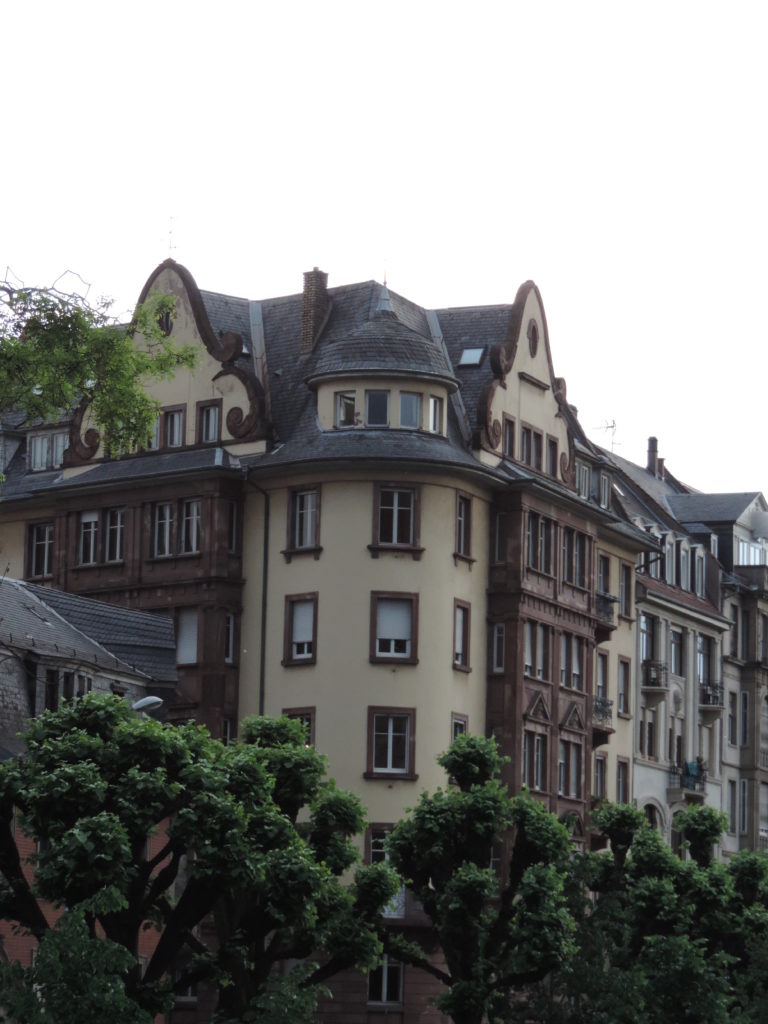
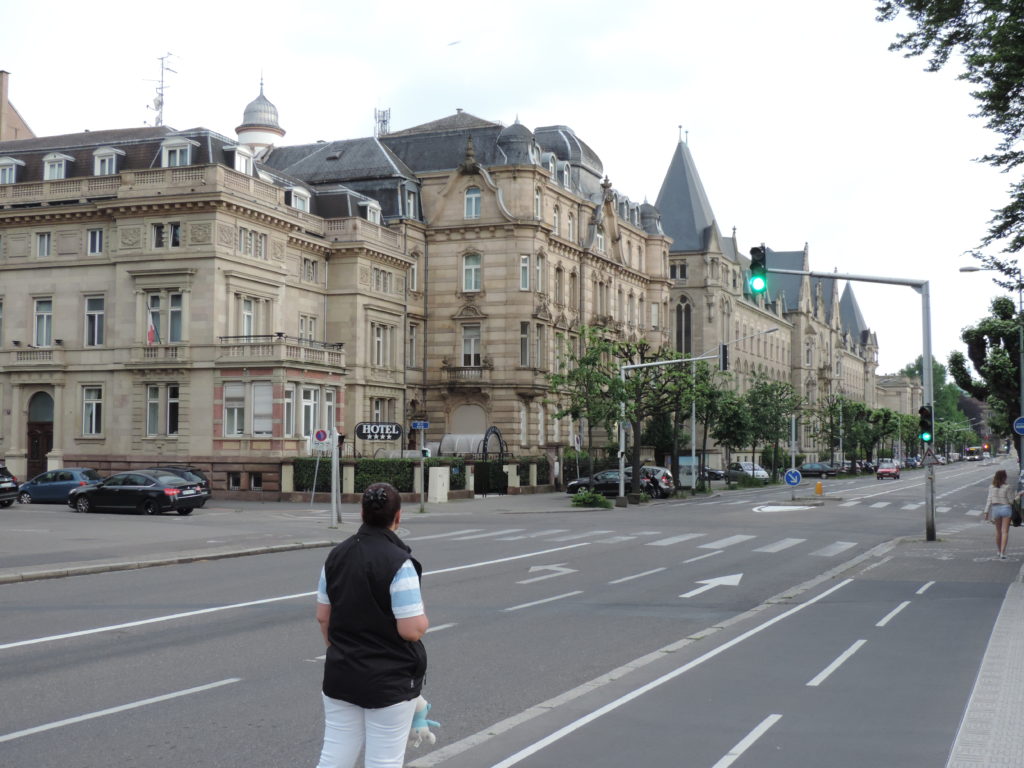
From Paris drive across the Champagne area to Nancy, the artistic and intellectual capital of Lorraine, especially enjoyable if you like the sinuous, sexy belle époque form known as Art Nouveau. The Place Stanislas is a gigantic rectangle, surrounded by gloriously ornamental classical buildings, gilded wrought-iron gates and extravagant fountains. Completely restored it is now named a Unesco World Heritage Site. Drive to Strasbourg, the capital of Alsace, for your overnight stay. Strasbourg’s architecture is closely related to its history with its medieval influences seen primarily in the cityscape buildings located all around the city. Visit Strasbourg’s historic Le Petite France neighborhood with its cobblestone streets, fine restaurants, medieval buildings and good shopping. See the timber-framed houses with their wooden galleries and overhanging upper stories in Old Strasbourg. For your evening meal try the gourmet dish of foie gras.
302 miles | 485.918 Km
Day 7 Strasbourg to Lucerne – Des Alpes – Lucerne
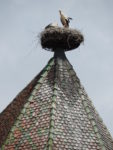
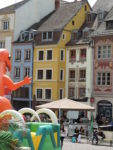
Alsace, unlike other French Regions, has both French and German influences. Due to its dual Franco-Germanic cultures, the majority of the population speaks French with a decided German accent and the cuisine is a blend of French and German cooking. Your drive takes you along the Alsatian Wine Route to the city of Colmar, renowned for its well-preserved old town. Mulhouse is located on the plain between the Vosges mountains and the Rhine river, close to the Swiss and German borders. It is home to a fascinating Automobile and Railroad Museum, both of which hold unique collections. Cross the border of Switzerland to Basel located on the River Rhine and bordering both Germany and France. The attractive old town, with its cobbled streets and fountains, has antique and craft shops, cafes, and beautiful old buildings such as the 12th century cathedral and the Barfusserkirche, now the Historical Museum. Continue your journey through glorious scenery to Lucerne, where we have arranged your overnight stay. Enjoy Lucerne”s beautiful lakeside setting of impressive mountain views and picturesque medieval town squares lined with fountains and historic houses. Walk the medieval battlements and explore cobbled alleys and hidden garden courtyards. End your day at one of Lucerne’s many restaurants and try the delicious typical Swiss dish of Roesti – a combination of fried grated crispy potatoes and gruyere cheese.
149 miles | 239.741 Km
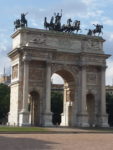
Day 8 Lucerne to Milan – Lancaster – Milan
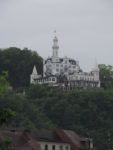
From German speaking Lucerne you drive into Ticino, Switzerland’s
Italian speaking canton. Continue through the mountains to Lugano,
which is a town of parks and flowers, villas and sacred buildings. With
Mediterranean flair it offers all the advantages of a world-class city
combined with the flavor of a small town. The historic town center, with
its squares and arcades, is traffic-free and home to numerous
Italianate Lombardy style buildings. Numerous parks invite you to laze
around and enjoy the atmosphere while the lakeside promenade of the
Belvedere Gardens boasts countless sub-tropical plants and modern works
of art. Cross the border into Italy and relax for a while on the shore
of Lake Como before continuing to the great City of Milan where we have
arranged for your overnight stay. The regional food here gives its name
to several dishes, Minestrone alla Milanese and Risotto alla Milanese.
Try Osso Buco, and the Tortelli di Zucca
(pumpkin fritters) with the
sparkling red or white regional wine Franciacorta. Milan is renown as
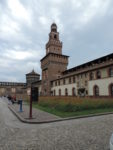
one of the world capitals of design and fashion, its Galleria Vittorio
Emanuele in the Piazza Duomo is reputed to be the world’s oldest
shopping mall. The biggest and greatest example of Gothic architecture
in Italy is the Milan Cathedral. Whilst in Milan see Leonardo da Vinci’s
“The Last Supper”


154 miles | 247.786 Km
Create Link to Video
Day 9 Milan to Venice – Venice-Mestre Aaron
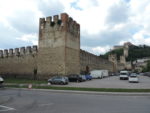
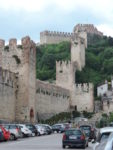
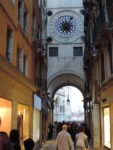
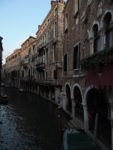
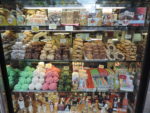
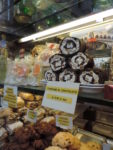
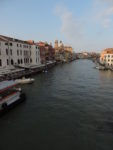
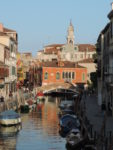
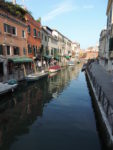
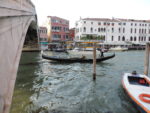
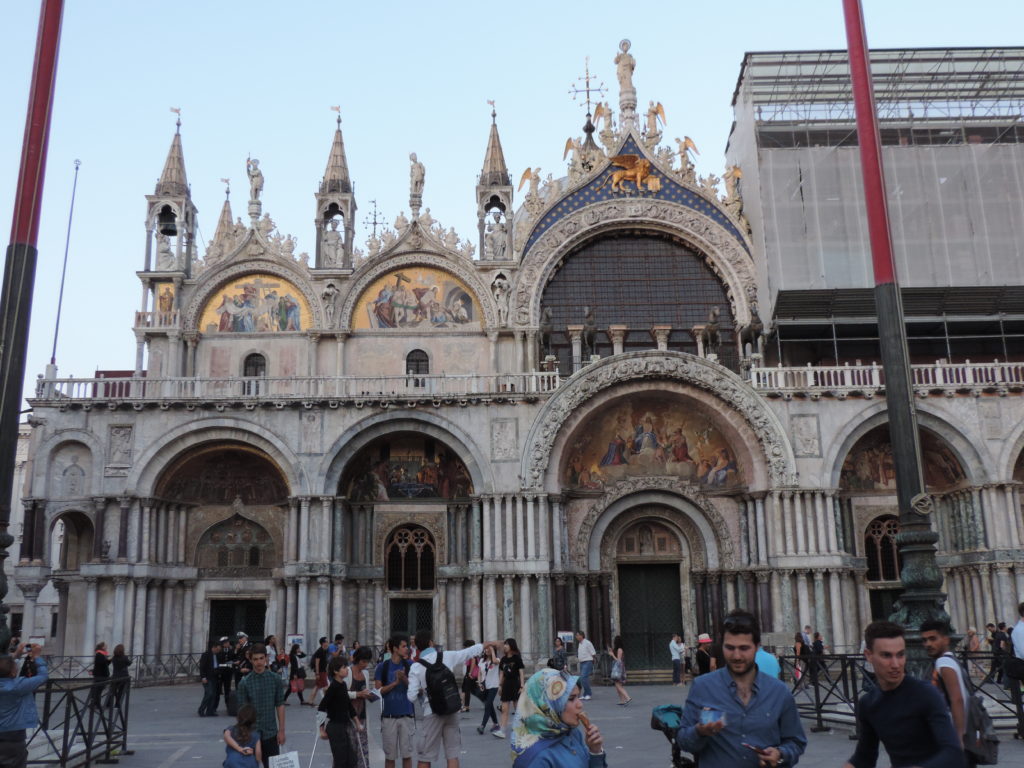
Leave Milan and drive to the pretty town of Bergamo. Its original location was a defensive hilltop, protected by stout walls, and now known as the Citta Alta (upper town) where you will find most of the historic buildings and tourist sights. Leave Bergamo for Lake Garda, the largest lake in Italy where exclusive resort hotels run along its shore. Your journey then continues to Verona, where its Roman Amphitheater (commonly known as The Arena) is one of the biggest, holding over 22,000 spectators, and best preserved. Here every year the opera Aida is performed with live elephants. In front of the Arena is the Piazza Bra, a huge square with such interesting buildings as the Palazzo Berbieri (the Town Hall) and Gran Guardia Palace. Among these beautiful building are many bars, restaurants and souvenir shops. From Verona, travel to the town of Vicenza, noted for its splendid churches and palaces, many designed by Andrea Palladio, and then on to Venice, the City of Water, often cited as one of the most beautiful cities in the world. Having a car, it makes much more sense to stay in Mestre, where we have arranged a two-night stay, and to take public transport across the causeway rather than to stay and park in Venice. Typical food of the region is the bigoli (a type of spagehetti), risotto with chicory, excellent fish dishes including shellfish, dried cod, sardines, and the black spahetti made with squid ink. Accompany this with the wines of the district, the rose or red sparkling Valpolicella and Bardolino.

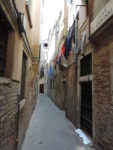
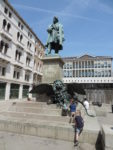
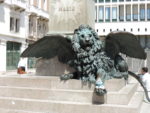
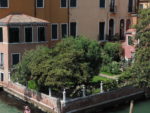
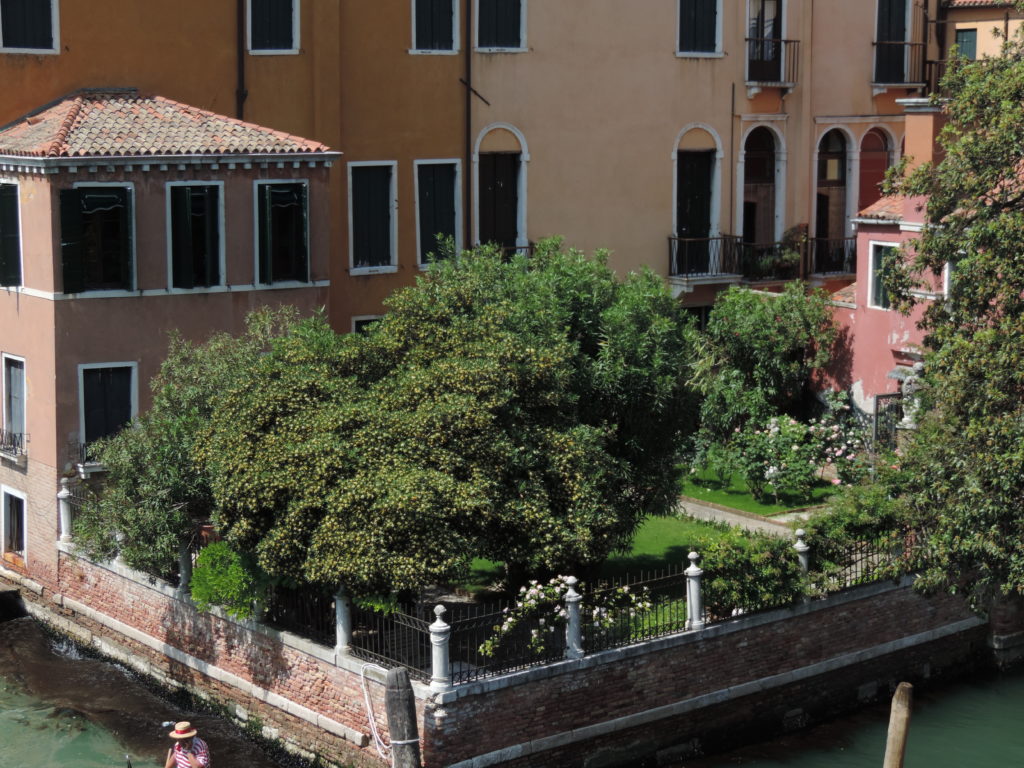
Day 10 – Venice

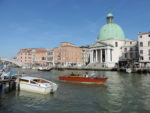
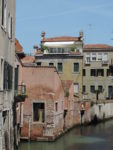
Link to Video
Day 11 Venice to Assisi – Frate Sole
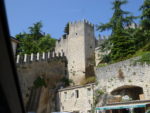
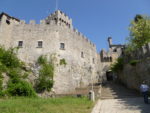
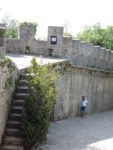
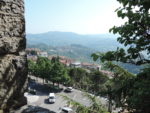
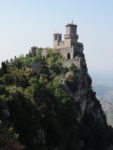
Leave Venice for the beautiful drive to Ravenna, once the seat of the Roman Empire. The historic center is mostly pedestrian only. Mosaics hold the pride of place in Ravenna’s vast artistic heritage. The material used was so resistant that these 5th and 6th centuries mosaic pictures are exceptionally well preserved and can be admired today as they were when the artist first formed them. Drive from Ravenna and take the opportunity to visit one of the smallest states in the world (61km/23sq.mi) the Republic of San Marino which stands in an admirable site on the slopes of the jagged sandstone ridge of Monte Titano. This ancient republic strikes its own coinage, issues its own postage stamps and has its own army and police force. San Marino is believed to have been founded in the 4th century by a pious mason, Marinus, who was fleeing from the persecutions of the Emperor Diocletian. The system of government has changed little in nine centuries, and the leading figures are still the two Captains Regent, who are chosen from among the 60 members of the Grand Council and installed every six months during a colorful ceremony. The economy is based on tourism, trade, the sale of postage stamps, craft industries and agriculture. San Marino produces a very pleasant wine, Moscato. Leave San Marino for the beautiful drive to the peaceful town of Assisi, rich in its religious heritage. Situated on the slopes of Monte Subasio, it’s a perfect town for wandering and exploring and it is here that we have arranged your overnight stay. The town’s picturesque narrow lanes conceal so many surprises – a hidden restaurant, a faded fresco, a stunning view. For hundreds of years Assisi has been dominated by the unpretentious figure of St. Francis, whose followers filled this little town with churches, monasteries and shrines. The grandest of these is the Basilica di San Francesco, built to honor the humble saint who lies in its crypt. You will find a friendly, welcoming atmosphere and many excellent restaurants.
244 miles | 392.596 Km
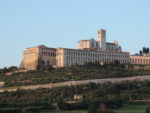
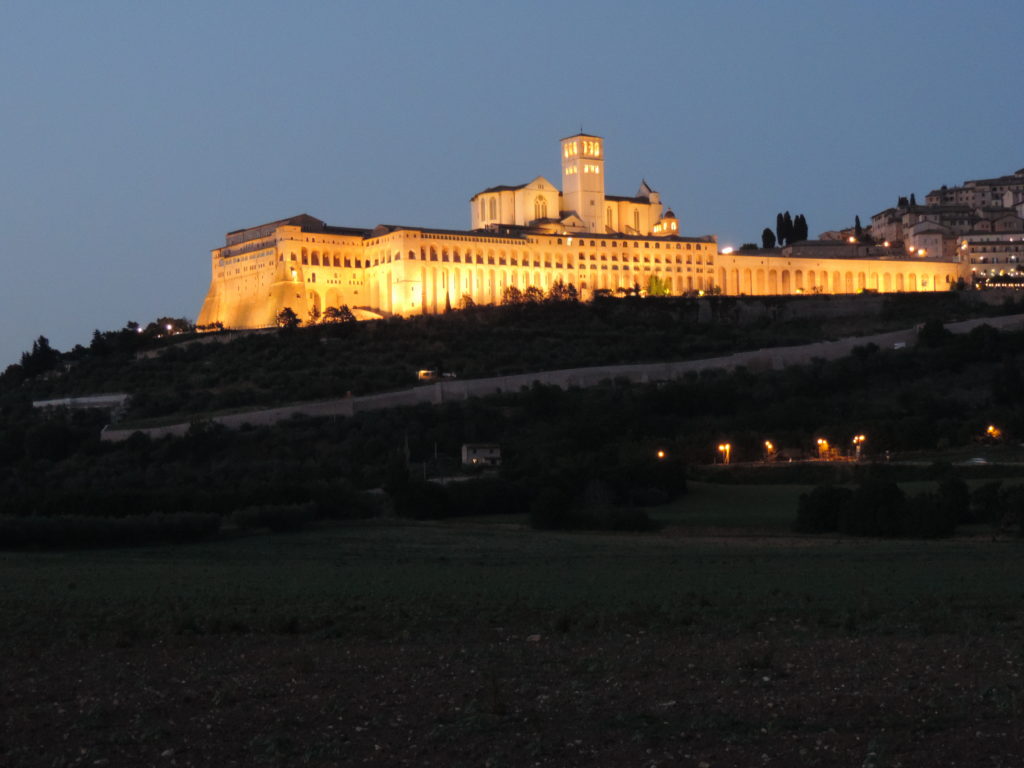
Day 12 Assisi to Rome – Best Western Plus Art Hotel Noba
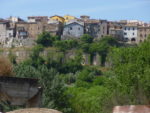
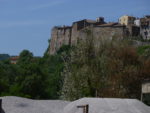
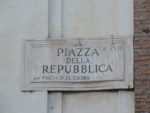
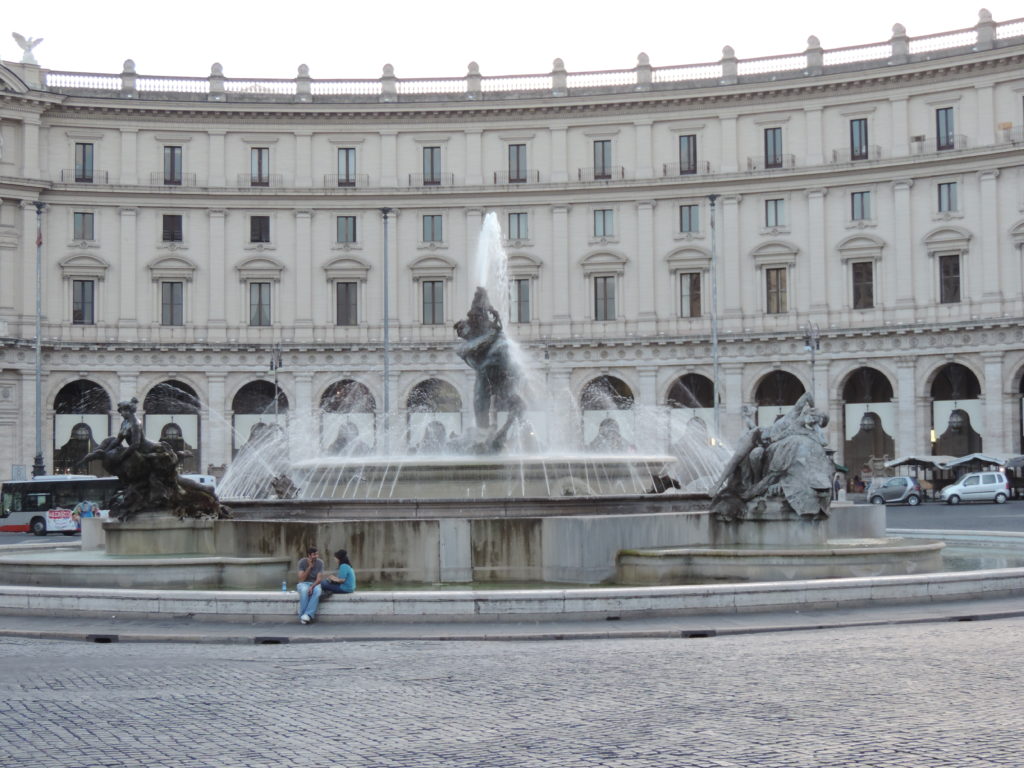
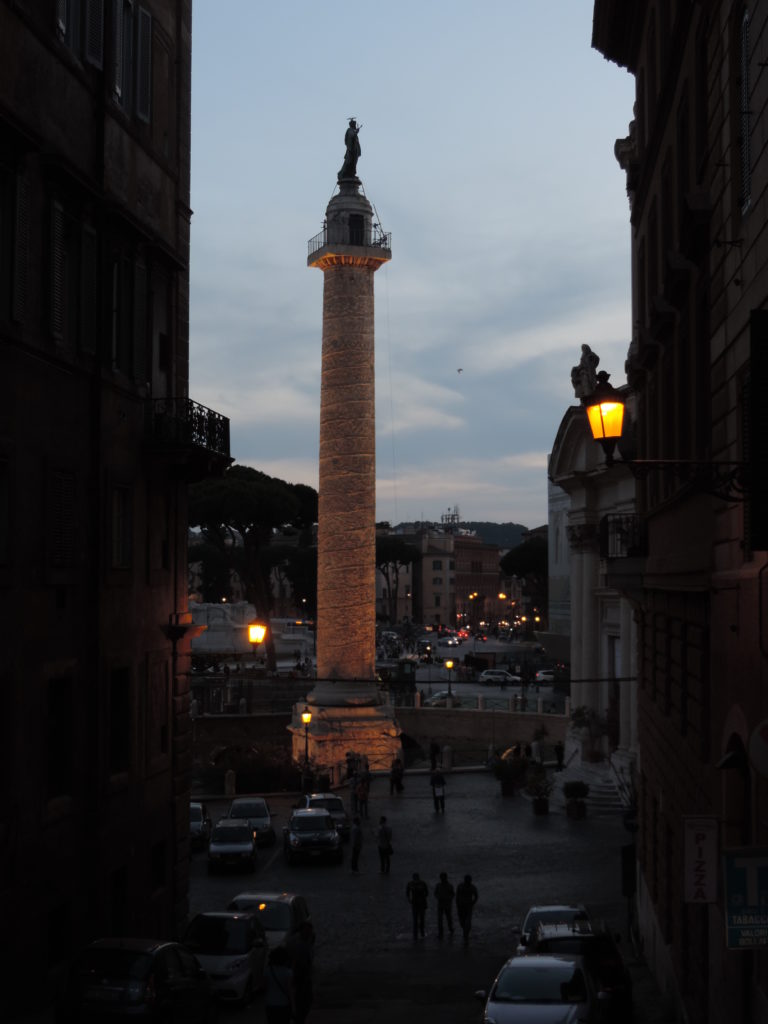
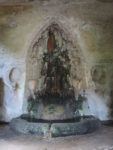
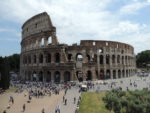
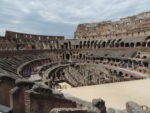
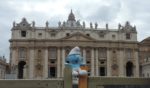
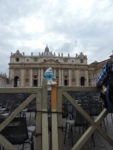
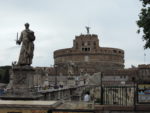
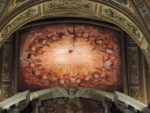
From Assisi drive through the green countryside of Umbria to Rome, an exciting city harboring lost empires that bombard you with glorious sites and architecture. Amongst Rome’s world-famous landmarks is the Coliseum, where animals and gladiators fought in epic battles and met their deaths for the entertainment of the spectators. Throw three coins into the Trevi Fountain and climb the Spanish Steps located at Piazza di Spagna. Visit Rome’s most beloved square and one of the world’s most beautiful piazzas, the Piazza Navona where beside two of Bernini’s famous fountains you can eat at some of the great sidewalk cafes or restaurants as local artists endeavor to sell their paintings to tourists. Try the Roman specialties of spaghetti alla carbonara or gnocci alla Romana
114 miles | 183.426 Km

Day 13 Rome
Day 14 Rome to Florence – Unicorno
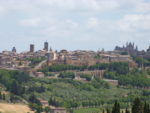
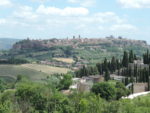
Leave Rome for your drive to the walled 2,000 year-old city of Orvieto, home to the famous Etruscan ruins and known for its fine Cathedral, for its ceramics and the its highly prized Orvieto white wine. Then cross Umbria to the highest of the Tuscan hill-towns, Montepulciano, which is encircled by walls and fortifications. On to the gentle, mystical and passionate city of Siena. As you stroll through its narrow streets, lined with palaces and mansions, you become enlivened with the clay colored (hence the color, burnt siena) and medieval past of this beautiful city. The famous Piazza del Campo is shaped like a fan, paved with brick and encircled by a ring of stone slabs. This is the site of the famous Palio horse race held every July and August. The drive from Sienna to Florence is a land of pastoral and vine-clad hills, the home of Chianti Classico.
185 miles | 297.665 Km

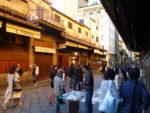
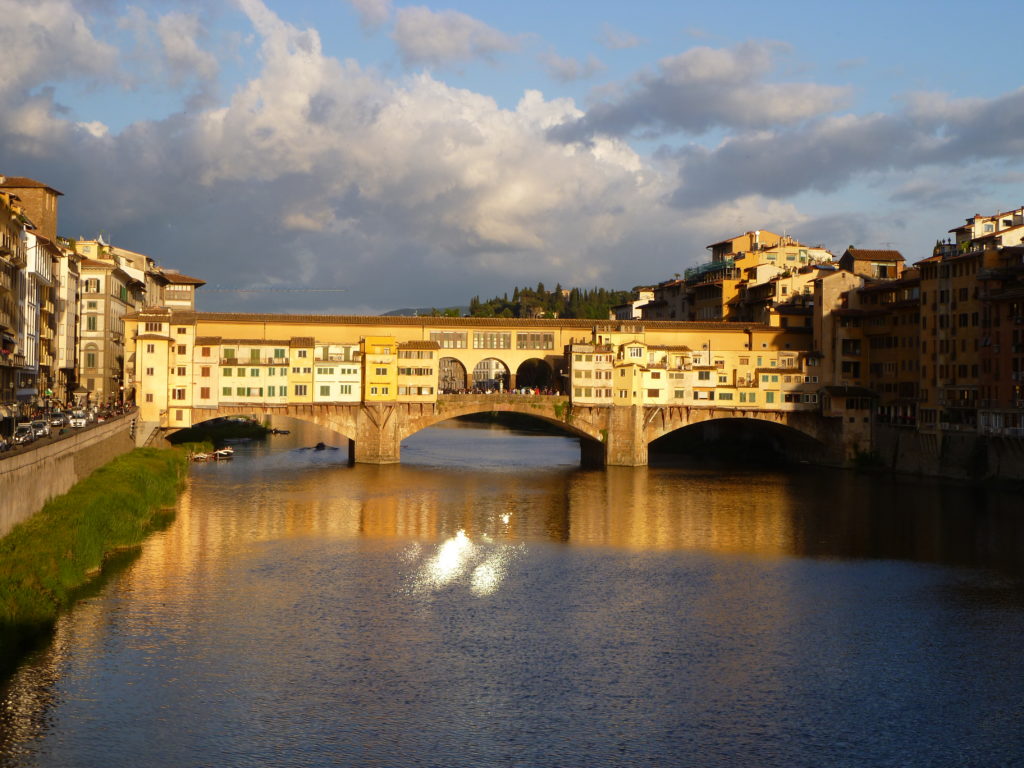
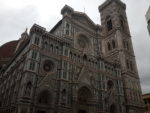
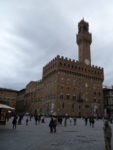
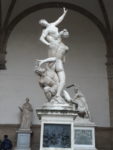
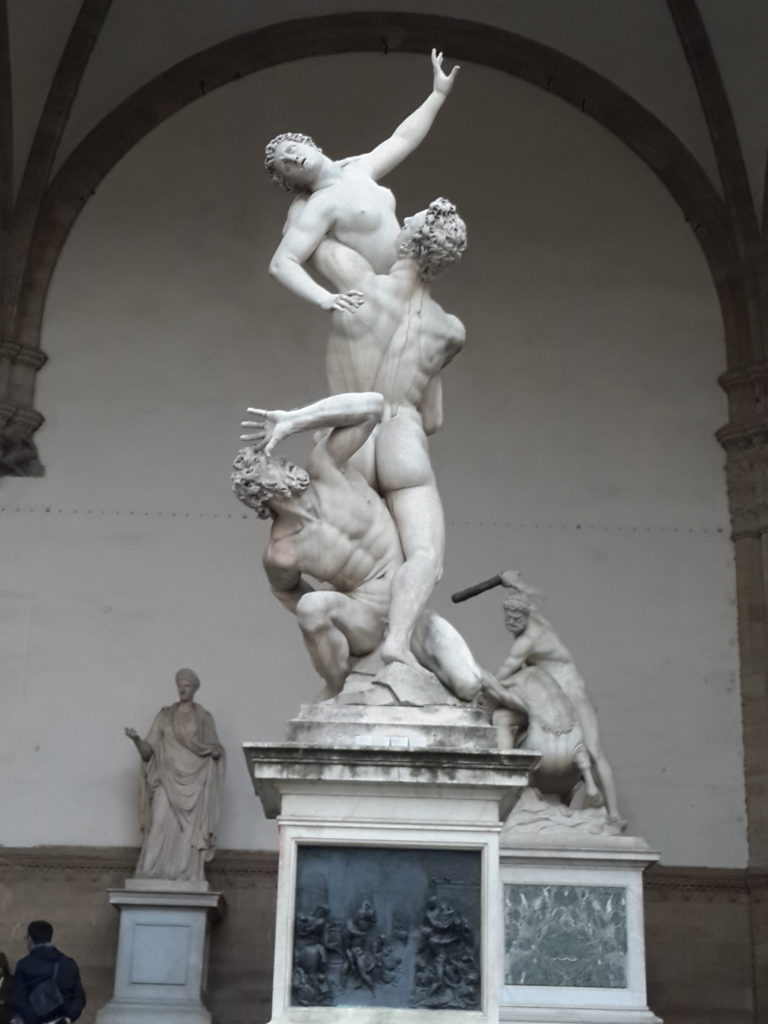
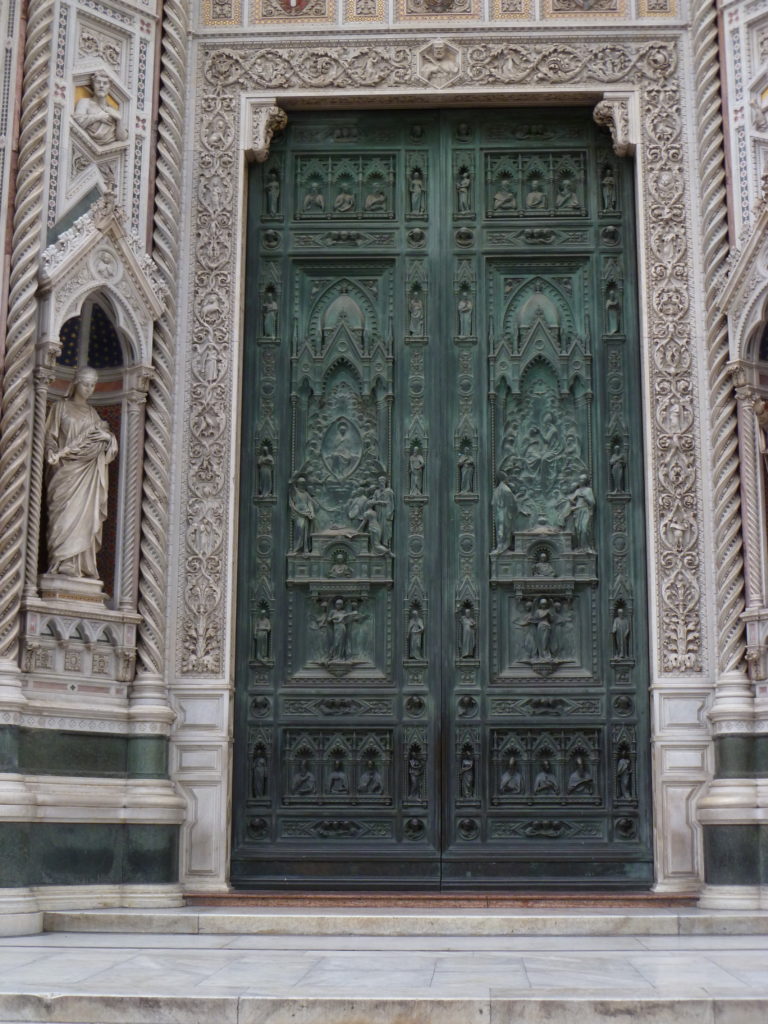
Day 15 Florence
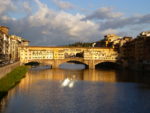
Drive by the flourishing vineyards and olive groves of the unique Tuscan countryside to the hilltop medieval towers of San Gimignano. In the heart of the town are four fine squares, each with its own historic buildings. Drive through the glorious Tuscan countryside to the ancient town of Arezzo. Visit the Piazza Grande, the most noteworthy medieval square in the city. Drive on to the quiet town of Cortona, whose ramparts cling to the steep slopes of a hill clad in olive groves. From the Piazza del Duomo see the lovely view over the valley. Then back to Florence and a traditional Tuscan dinner – try the bistecca (grilled steak) or fagioli all’ucelletto (beans with quail). A notable red wine is the Nobile di Montepulciano, and Vernaccia di San Gimignano is a favorite white wine



Day 16 Florence to Genoa – Vittoria Genoa Hotel
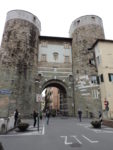
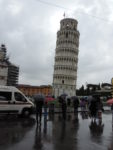
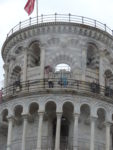
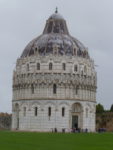
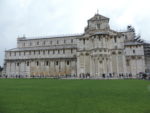
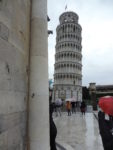
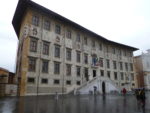
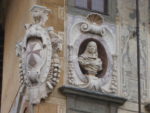
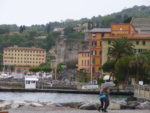
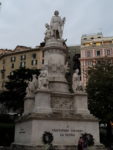
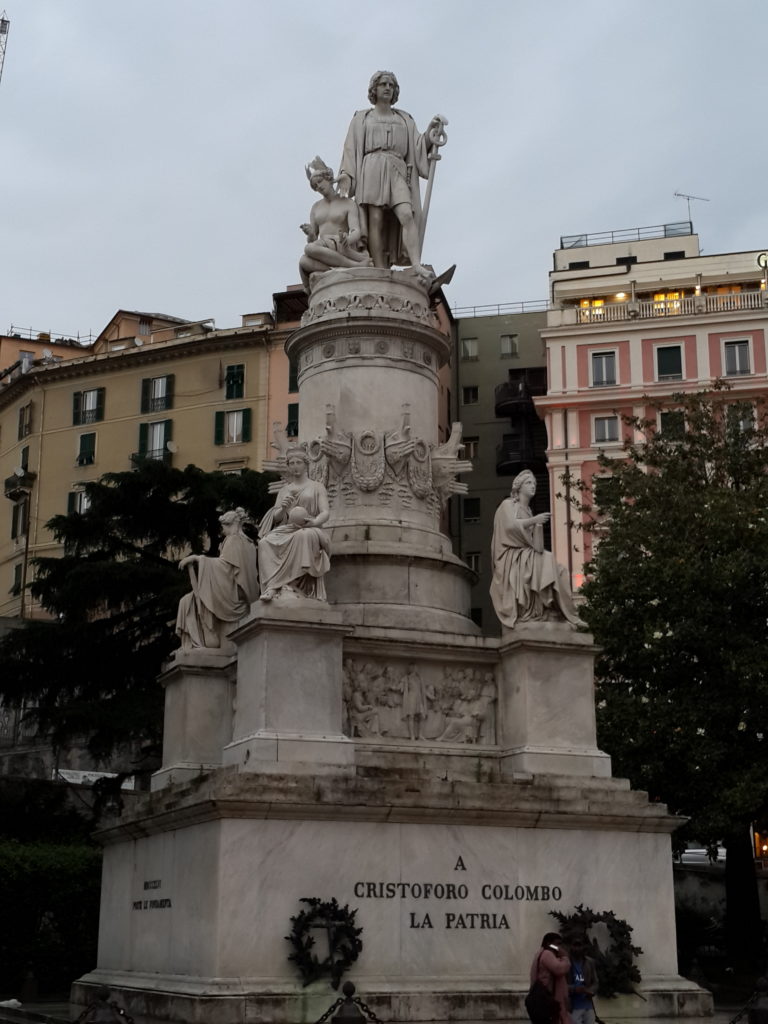
Leave the beautiful and ancient city of Florence for the delightful Tuscan town of Lucca, one of Tuscany’s best-kept secrets it has some of Italy’s finest medieval and Renaissance architecture protected by massively thick walls. Wander through the town’s squares and streets and visit the antique markets. It is in Tuscany that Italian cooking was born. Try the region’s famous soup ribollita and the area’s most popular wine, Chianti. From Lucca drive the short distance to Pisa. Although it is known worldwide for its Leaning Tower it has more than 20 other historic churches and several palaces. Your drive from Pisa takes you through the fashionable seaside resort of Viareggio with its lovely beaches and on to Cinque Terre and Portofino. Cinque Terre, “the Five Lands” comprise five villages, Monterosso al Mare, Vernazza, Corniglia, Manarola and Riomagiore and their surrounding hillsides. Over centuries man has built terraces on the rugged steep landscape right up to the cliffs that overlook the sea and part of its charm is the lack of visible “modern” development. Take the coast road to Italy’s greatest seaport Genoa – a city of surprises and contrasts where the most splendid palaces stand beside the humblest alleyways. In central Genoa is the Piazza de Ferrari, around which are the Opera and the Palace of the Doges, as well as a house where Christopher Columbus is said to have been born. Other interesting landmarks include the Palazzo Rosso and the Old Harbor which is now transformed into a mall. While in Genoa try some of the region’s dishes; polenta, creamy Gorgonzola and Panettone, a fruitcake with raisins and candied lemon peel.
152 miles | 244.568 Km
Day 17 Genoa to Nice – Apogia Nice
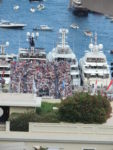
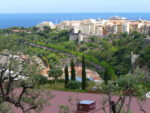
Leave Genoa for a very pleasant drive along the coast of the Italian Riviera to the capital of the Riviera di Ponente San Remo, which boasts a pleasure boat harbor, casino and racecourse. It is also the main Italian flower market and exports millions of roses, carnations and mimosa worldwide. A short drive along the Mediterranean coastline brings you to Ventimiglia the border with France and the fascinating principality of Monaco. In the 13th century the House of Grimaldi, descended from a Genoese nobleman, took power in Monaco, Antibes and Nice and built castles at Grimaud, Cagnes-sur-Mer and Antibes. The present Prince Albert II of Monaco (son of the late beloved Grace Kelly) is a descendant of the Grimaldis. The world’s smallest French speaking country, it takes less than one hour to walk the width of Monaco. Enjoy its exceptional location between mountain and sea, and its beautiful gardens. From there take the magnificent Grande Corniche from which you will get grande sweeping views down to the Mediterranean. Monaco Grand Prix day
128 miles | 205.952 Km




Day 18 Nice
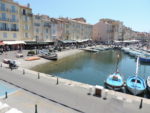
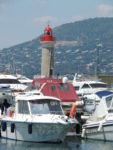
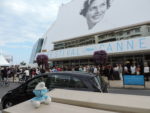
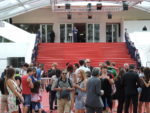
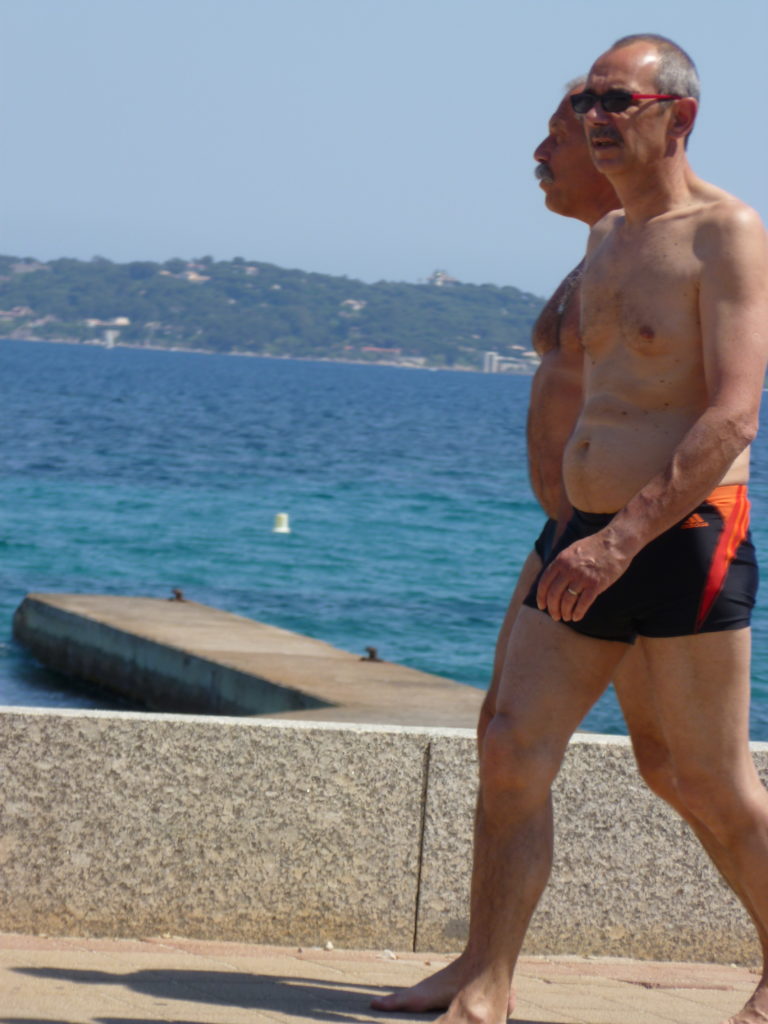
With its beautiful beaches, lovely seaside promenade, diverse shopping, splendid dining and lovely art-deco facades Nice is the playground of the rich and famous. Take a walking tour of the city’s Cours Saleya (Flower Market), with its abundance of ripe produce, sidewalk cafes, souvenir shops and of course flowers simply bursting with colors. Today discover the Cote d’Azur – The Blue Coast – as you follow the Mediterranean coastline and visit the glamorous resorts of St. Tropez, Antibes, Juan-les-Pins, and Cap-Ferrat.





Day 19 Nice to Avignon – Ibis Styles
Leave Nice for the short drive to the town of Grass, the perfume capital of the world, with lots of outlets to buy its perfumes. From here you will drive through the valley of Castellane to the magnificent Grand Canyon du Verdon, whose gigantic rock cliffs are the result of the erosion of the Verdon river. Deep, compact, wild and beautiful, rich in flora and fauna, the scenery here is astonishing. The villages have maintained their old-fashioned Provencal appeal and you will be warmly welcomed. As you drive through magnificent natural beauty you will arrive, discover the color and sensation of Aix-en-Provence, with the golden stone of its facades and the transparent green of the fountains. Built and developed around its dual identity of a town of water and art, it was founded in 123 BC by the Roman consul Sextius Calvinus. A tour of this wondrous town is a chance to travel in time, with its architectural and cultural heritage accessible to everyone; treasures that you will discover simply by walking around this magnificent town. Leave Aix-en-Provence for the picturesque village of Les-Beaux-de-Provence. Just inside the entrance of this village are narrow cobblestone streets, terrace cafes, and souvenir shops. Admire the surrounding countryside as your drive takes you to the pretty village of St. Remy de Provence, which is encircled by a 14th century wall which is still in use today. St. Remy is a busy active village where you can purchase regional pottery including some influenced by Van Gogh who lived here. It was in this village that Nostradamus was born. Continue to enjoy Provence as you arrive in Avignon where we have arranged your overnight stay.
164 miles | 263.876 Km


Day 20 Avignon to Dijon – Campanile Dijon Congres
Protected by its ramparts, the historic core of Avignon is a lively center of art and culture, thanks to its architectural and artistic heritage. During the 14th century Avignon was the capital of the Christian world and the temporary home of the Popes. The grand Palais des Papes is an impressive site to visit. See the bridge Saint Benezet from the popular song Sur le pont d”Avignon and enjoy the many parks and gardens. Leave Avignon for the city of Lyon, known for its famous restaurants and wonderful food. It has a reputation as the French capital of gastronomy, so be sure to have lunch there before your journey ends in Beaune. Renowned for its artistic heritage, Beaune is the epicenter of one of the world”s great wine regions. Fortified in 1368 it was the residence of the Dukes of Burgundy before they moved to Dijon. Its most famous building is the Hotel-Dieu, which for over 500 years from 1456 cared for the sick and has remained intact. With its fine architecture, decoration (ironwork, gabled dormers and weathervanes) its multi-colored glazed tiles and its old well, it seems more a palace of luxury than a place for the poor. Its internal couryard in the Flemish-Burgundian style, the pharmacy, the nun”s quarters, the kitchens are all fascinating but it is the Great Hall which most completely evokes the spiritual dimension of the hospitals of yesteryear, remaining in service until 1959. From Beaune you have a short drive to Dijon, the capital of Burgundy, for your overnight stay.
268 miles | 431.212 Km
Day 21 Dijon to Paris – Best Western Charles De Gaulle
Close to some of the world”s finest vineyards, Dijon has a remarkable artistic heritage. The Ducal City consists of the Palais des Ducs et des Etats de Bourgogne. This ducal palace had been neglected since the death of Charles the Bold in the 14th century but was restored in the 17th century. The exterior of the Great Hall recalls the Marble Court at Versailles. As a great European center of artistic activity, Dijon tended towards a certain ostentation. The Salle des Gardes is the Ducal Palace”s most important interior with its centerpiece formed by two tombs. Leave Dijon and drive through woodland to Fontainebleau. The Palace of Fontainebleau is one of the largest French royal chateaux and as it is today is the work of many French monarchs. The building is arranged around a series of courtyards, and has grown up around the remainder of the Forest of Fontainebleau, a former royal hunting park.This forest is now home to many endangered species of Europe. From here drive to Versailles, created at the time of the French monarchy’s greatest splendor. When Louis XIV moved there from Paris in 1682 it became the center of political power until the Royal Family was forced to return to Paris in 1789 during the French Revolution. With its ornately decorated rooms, chandeliers, marble, bronze and large paintings, Versailles remains the finest jewel of the French Crown. The gardens, created for perfection in their symmetry and harmony, were designed for walking, while the flower beds designed to highlight the castle, with many statues and fountains decorating its paths. Your day ends in Paris for your overnight stay.
201 miles | 323.409 Km
